Harry Potter Is Back. But Why Can’t Hollywood Let Anything Die?
Hey, I know you’re excited. Honestly, so is a part of me.
On March 25th, HBO dropped the first teaser for the Harry Potter reboot, and the internet did exactly what the internet does — it lost its mind. Debates, memes, outrage, nostalgia, and somewhere in the middle, a lot of people quietly whispering I’m actually kind of excited.
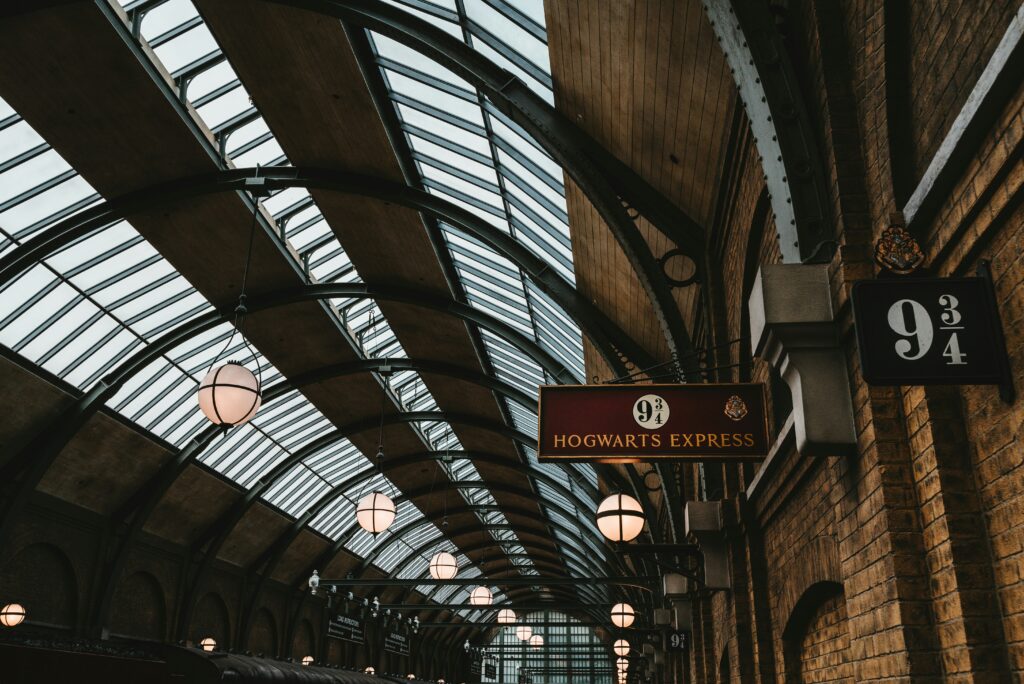
But between all that noise, one question keeps nagging me: why does this keep happening?
Not just Harry Potter. Star Wars. The Lion King. Spider-Man. Lord of the Rings rumors every six months. Hollywood keeps going back to the same stories, and we keep showing up for them. Every single time.
I think the answer is more interesting than just “money.” Let me explain.
What’s Actually Happening With the Harry Potter Reboot?
Here are the basics. HBO Max is turning Harry Potter into an eight-season TV series, with the first episode premiering Christmas Day 2026. Each book gets its own season — which, if you grew up frustrated that the movies skipped half the plot, is genuinely exciting news.
The new Golden Trio — Dominic McLaughlin as Harry, Arabella Stanton as Hermione, and Alastair Stout as Ron — were chosen from over 30,000 auditions. All newcomers. The supporting cast is heavy: John Lithgow as Dumbledore, Janet McTeer as McGonagall, and Paapa Essiedu as Snape — a casting choice that’s already sparked significant controversy online.
The setup is big. Warner Bros. Discovery CEO JB Perrette called it “the biggest streaming event in the history of HBO Max.” That’s not hype for the sake of it. That’s a studio betting everything on a name people already trust.
The Sociology of Nostalgia — Why We Keep Coming Back
Here’s what’s actually going on beneath the surface.
In sociology, there’s a concept called collective memory — the shared stories, symbols, and experiences that bind an entire generation together. Harry Potter isn’t just a book series for millions of people who grew up in the 90s and 2000s. It’s a piece of identity.
I’ve seen this myself. People who grew up with these books didn’t just read them — they lived inside them. They’d finish a book in one sitting, then reread their favorite chapters the same night. They watched all eight films even after reading every single page, just to see the world they already knew by heart. That’s not fandom. That’s something closer to belonging.
When HBO reboots Harry Potter, they’re not just selling a show. They’re selling the feeling of being ten years old again — reading under a blanket with a torch, genuinely believing that magic might be real. That feeling is powerful. And yes, it’s also very profitable.
The “Safety Net” Theory — Why Hollywood Won’t Take Risks
Now here’s the more uncomfortable layer.
In a world of infinite content, studios face a brutal problem: how do you get people to actually choose your show? A completely new story is a gamble. A Harry Potter reboot is a guaranteed audience of hundreds of millions who already have an emotional investment.
Hollywood isn’t running out of ideas. It’s running away from risk.
And honestly? That’s a rational business decision. Streaming platforms live and die by subscriber numbers. A show needs to perform in its first weekend or it disappears from the algorithm. Under that kind of pressure, “give people something they already love” isn’t laziness — it’s survival strategy.
But survival strategies and creative courage are very different things.
The Uncomfortable Truth About All of Us
Here’s the part nobody wants to say out loud.
Studios reboot things because we watch them. Every time we click on a nostalgia trailer, debate whether the new cast is good enough, or spend a week arguing about a single casting choice — we’re feeding the machine. We say we’re tired of reboots. Then we make them the most-watched thing on the internet the week they drop.
I’m not judging. I did it too.
But it’s worth being honest about the dynamic. Our attention is a vote. And right now, we’re collectively voting for the familiar over the new, comfort over curiosity.
So Is the Harry Potter Reboot Actually a Good Thing?
Genuinely — it depends.
A multi-season TV series can do things a two-hour film never could. Book-accurate subplots. Real character development. Peeves, finally. The Marauders getting the screen time they deserve. If done well, this reboot could be the version of Harry Potter that the books always deserved.
But every hour spent revisiting Harry Potter is an hour not spent building the next one.
Somewhere out there, a first-time author has written something just as magical as Rowling’s original. But it’s harder to sell because it doesn’t have a built-in audience. It requires people to take a chance on something they don’t already know. And in 2026, that feels like a lot to ask.
The Real Question
The Harry Potter reboot isn’t a symptom of Hollywood laziness. It’s a mirror.
It reflects something true about us right now — that as a society, we’re more willing to pay for comfort than curiosity, for the familiar than the unknown.
After thinking through all of this, my question shifted. It’s no longer why does Hollywood keep rebooting everything.
It’s — when did we stop being brave enough to want something new?
Pingback: US to Canada Migration: The Sociology of ” Plan B” Generation - CuriousClarity
Pingback: Euphoria Season 3: The Beautiful Lie of Teenage Pain -