Tonight at 9 PM ET, Euphoria Season 3 drops on HBO.Millions of people will watch. Millions have already been searching “what time does Euphoria come out” since morning.But before you stream — let’s talk about why this show has such a grip on us. And what that says about the society that made it.
What Time Does Euphoria Season 3 Come Out?
Let’s answer the practical question first. Euphoria Season 3 premieres tonight, Sunday April 12, 2026 at 9 PM ET / 6 PM PT on HBO and HBO Max. New episodes will drop every Sunday, with the series finale airing May 31, 2026. The new season features a major five-year time jump — the characters are no longer teenagers. They’re adults now, still carrying everything that broke them in high school. Eight episodes. Eight weeks. And if creator Sam Levinson gets his way — a “slam dunk” final season. Now. The real conversation.
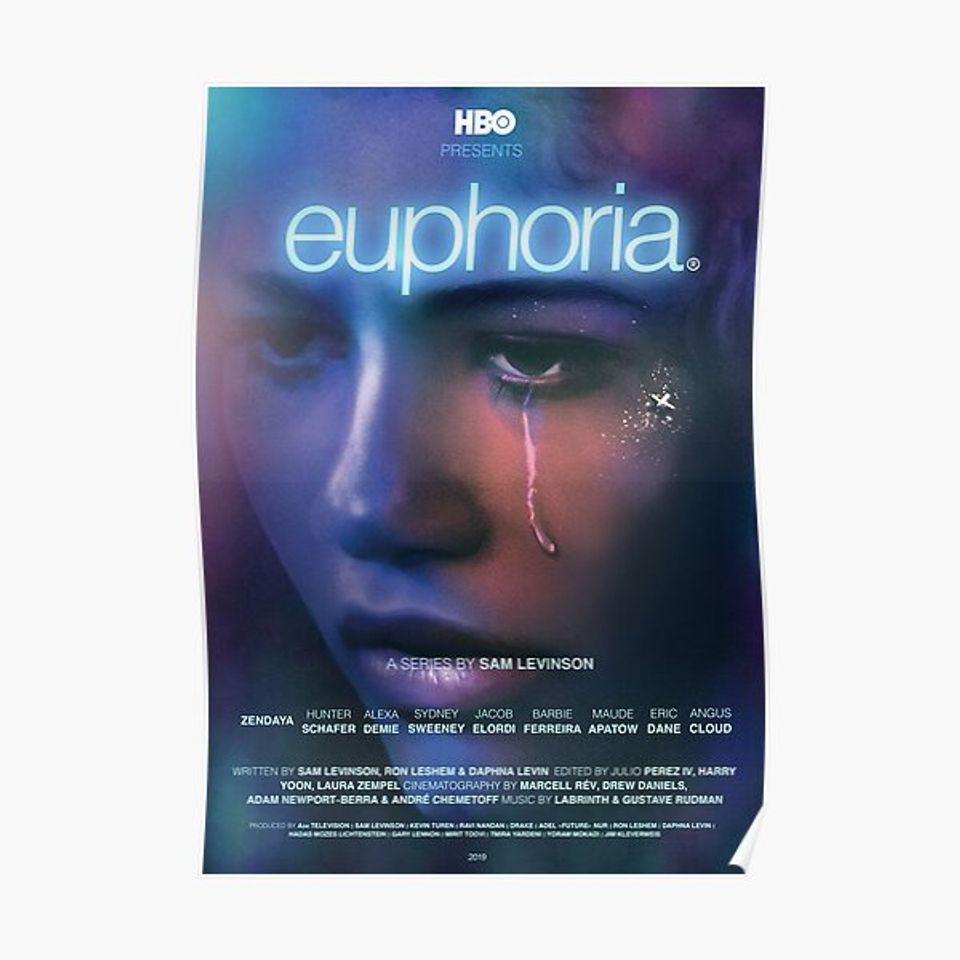
Euphoria Season 3 Cast: Who’s Back and What Happened to Them
Rue is in debt to drug dealer Laurie and essentially in indentured servitude. Nate has taken over his father’s real estate business and is engaged to Cassie. Cassie is trying to become an OnlyFans model. Maddy is a talent manager. Jules has become a sugar baby. Lexi is working in TV production. Five years later. Same chaos, grown-up packaging.These aren’t cautionary tales anymore. These are portraits of what happens when a generation that never got the help it needed becomes adults who still don’t have it. That’s not entertainment. That’s a mirror.
Why Is Euphoria So Popular? The Sociology Nobody’s Talking About
Here’s the question that matters more than any plot recap: Why do millions of people — including many who are not teenagers — find it impossible to look away? Sociologist Guy Debord wrote about the Society of the Spectacle in 1967 — the idea that modern life has been replaced by its own representation. We don’t just live through experiences anymore. We watch them. We consume them. We stream them at 9 PM on Sunday nights. Euphoria is the ultimate spectacle of Gen Z pain — packaged in glitter, slow motion, and a pulsating soundtrack that makes rock bottom look cinematic.
The show combines romanticization of trauma through the use of substance abuse and mental illness, glorified through angelic music and beautifully taken shots. The dizzying camera movements, hazy lighting, and pulsating soundtrack mirror the intensity of addiction — making viewers feel the highs and crashes. (Torontomu) That’s intentional. And that’s the problem some experts are pointing at.
While Euphoria represents the ‘Spectacle of Pain,’ our culture simultaneously retreats into the ‘Spectacle of Nostalgia.’ It is no coincidence that while we watch teenagers fall apart in 2026, we are also flocking back to the reimagined safety of Hogwarts. Both are escapes, but in opposite directions. To understand why we keep rebooting the past to survive the present, read my analysis on The Harry Potter Reboot
Does Euphoria Glorify Drug Use? The Debate That Won’t Go Away
D.A.R.E. — the drug prevention program — publicly stated that Euphoria “chooses to misguidedly glorify and erroneously depict high school student drug use, addiction, anonymous sex, violence, and other destructive behaviors as common and widespread in today’s world.” (NBC News) HBO didn’t respond. The internet largely mocked D.A.R.E. But here’s what’s worth sitting with: Psychologist Barbara Greenberg pointed out that when “beautiful people do very risky activities, it could normalize these behaviors and actually have the effect of having kids want to try these things.” (Newport Healthcare)
Zendaya is not what addiction looks like in a hospital ward. She’s what addiction looks like when you have perfect bone structure and HBO’s lighting budget.That gap — between the aesthetic and the reality — is where sociology lives.
Euphoria and Gen Z Mental Health: What the Show Gets Right
To be fair — and sociology demands fairness — the show does something most television never attempts. Creator Sam Levinson based the show on his own experiences as a teen addict. He said: “Portraying drug abuse in an honest way is the best way to create empathy for addicts and their families, because I believe empathy is the only way that we can communicate.” (Turnbridge)
And research supports that the show resonates in real ways. Studies of Reddit discussions about Euphoria found that viewers frequently disclosed their own substance use and mental health challenges as a result of watching — describing experiences with anxiety, panic attacks, bipolar disorder, depression, and PTSD. Many felt the show was a realistic portrayal that made them feel seen. (PubMed Central)
This is what sociologist Émile Durkheim called collective effervescence — the sense of shared feeling and solidarity that comes from experiencing something together. Euphoria creates a community of people who finally feel like their pain has been seen on screen. That’s not nothing. That’s actually profound.
Euphoria Season 3 Plot: Why the Time Jump Changes Everything
The shift to adulthood in Season 3 is the most sociologically interesting thing about this new chapter. The official logline for Season 3 reads: “A group of childhood friends wrestle with the virtue of faith, the possibility of redemption, and the problem of evil.” (Bored Panda)
That’s not a teen drama premise. That’s an existential one. And it reflects something true about this generation — Gen Z, the first generation to grow up entirely inside social media, inside the opioid crisis, inside school shootings and pandemic lockdowns and climate anxiety. Sociologist Robert Merton’s concept of anomie — the feeling of normlessness that comes when social structures fail to provide meaning — describes exactly what Euphoria’s characters are navigating.
They were given a world with broken systems, told to perform wellness on Instagram, and handed a show that finally said: we see how hard this actually is. Season 3 asks: what do you do when you survive the worst of your teenage years and the adult world offers nothing better?
Why We Can’t Stop Watching — And What It Says About Us
Here’s the uncomfortable truth: We don’t watch Euphoria despite the pain. We watch it because of the pain. Whether Euphoria helps raise awareness and empathy or encourages unhealthy behavior through glorification depends greatly on the viewer’s maturity and mental state. But there’s a third option that nobody’s discussing: We watch because it gives us permission to feel things we’ve been told to suppress.
In a culture that sells productivity, optimization, and “good vibes only,” Euphoria is the show that says: sometimes you’re Rue, curled on a bathroom floor, and that is also part of the human experience. Sociologist Erving Goffman talked about how we perform wellness for our social audiences constantly — putting on the mask, showing the highlight reel. Euphoria rips the mask off. For two hours a week, you don’t have to pretend.
The Real Question Euphoria Season 3 Forces Us to Ask
Tonight, millions of people will watch Rue, Cassie, Maddy and Jules navigate adulthood. They will feel things. They will share screenshots. They will tweet reactions. They will feel less alone. And on Monday morning, the mental health system that failed every character on that show will still be exactly where it was on Sunday.
- About 1.6 million kids ages 12 to 17 — 6.3% of adolescents — had substance use disorder in 2020 in the US alone. (Time)
- Treatment access remains deeply unequal across class and race lines.
- The opioid crisis is still killing people daily.
Euphoria didn’t create any of that. But it is — depending on how you watch it — either a mirror, a warning, or a very beautiful way of not looking away. Season 3 starts tonight.
The question isn’t just what happens to Rue.The question is what we do with what we feel after the credits roll.