A bizarre glitch has quietly hijacked global data flows over the past twenty-four hours. Suddenly, digital dashboards are showing an explosive, inexplicable correlation between a historic beach town in New Jersey and a chaotic grocery list of root vegetables. Thousands of people are frantically searching for strings like “cape may potato”, “jacket potato”, and “coat of arms potato”.
To an outsider, it looks like a sudden culinary obsession or a local agricultural crisis in South Jersey. But if we pull back the digital curtain, we realize that everyday citizens are not suddenly studying farming methods. Instead, this trend exposes a fascinating intersection of modern life: the supreme grip of daily digital rituals—specifically viral word puzzles like the New York Times’ Connections and Wordle—and the total inability of modern data grids to interpret raw human behavior.
The Anatomy of a Trend: Puzzles Misread as Places
To understand how a phrase like “bubble and squeak potato” gets tangled up with a seaside community, one must look at how internet search queries are mapped. Right now, a local prom season and regional tourism surge have naturally elevated organic interest in the geographic area. Simultaneously, millions of individuals woke up to play their daily micro-puzzles. The challenge forced players to connect words like covert, cloak and dagger, hush hush, and jacket to the word potato (Couch potato, Jacket potato, Sweet potato).
When millions of players plug these obscure linguistic combinations into their screens at the exact same hour, the automated data systems tracking public attention panic. Lacking actual human intuition, the data networks simply cluster the massive puzzle surge with the concurrent local regional spikes. The result is a surreal digital hybrid: an entire nation searching for a non-existent mystery called the Cape May Potato.
The Visual Trigger: Cape May Potato
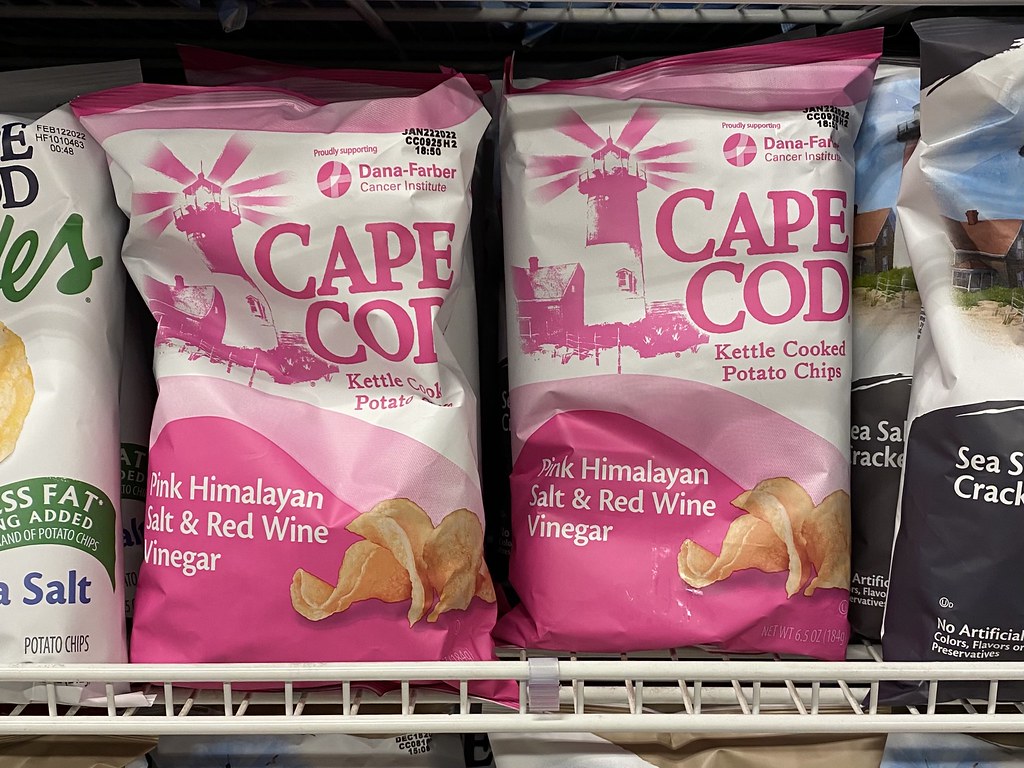
The confusion reaches its peak when visual triggers enter the mix. Popular snack brands like Cape Cod Potato Chips (specifically their Pink Himalayan Salt & Red Wine Vinegar flavor) perfectly bridge the gap between the puzzle’s clues (“Grape/Wine” and “Potato”) and the geographical mix-up with Cape May. The human brain, searching for patterns under daily digital fatigue, cross-wires the nostalgic imagery of seaside locations with the keywords on a chips packet.
The Gamification of Daily Life: Our New Collective Consciousness
Sociologist Émile Durkheim conceptualized “Collective Effervescence“—the moments when a society comes together to participate in the exact same ritual, creating a shared energy and unifying public consciousness. Historically, this happened through religious festivals, national broadcasts, or civic gatherings. In the atomized digital age, our collective rituals have shifted to micro-screens. Daily routines like solving a puzzle grid have become deeply institutionalized social micro-habits.
Every morning, across completely different socioeconomic classes and geographies, millions of people submit to the exact same cognitive parameters established by a single media institution. When a puzzle is easy, the collective consciousness rests; when a puzzle features an ambiguous trick like a “jacket” or “coat of arms” connection, it triggers a synchronized wave of micro-anxiety that causes a sudden, visible ripple across global information networks.
The Matrix of Manufactured Routines
This digital phenomenon perfectly mirrors what French philosopher and sociologist Guy Debord termed The Society of the Spectacle. Debord argued that authentic social relations have been completely replaced by images, numbers, and manufactured interactions.
We no longer just live our mornings; we gamify them. Our social capital is negotiated by sharing colored grid blocks on messaging feeds to signal our intellectual compliance with the day’s challenge. The fact that an entire population can be subtly directed to hunt for obscure definitions of food combinations proves how easily human attention is channeled, boxed, and commodified by platform structures.
Conclusion: Stranded in the Grid
The strange case of the “cape may potato” trend reminds us that the data structures mapping our world do not actually understand us. They merely track our movements through digital cages, turning our shared morning games into artificial algorithmic events. We are willfully participating in systems that measure our curiosity, convert it into traffic metrics, and mistake our morning confusion for local news.
This pattern of structural tracking and categorization isn’t confined to simple online word games; it actively dictates how larger institutions frame social status and control human narratives across the globe.
Want to Read More on Institutional Control?
The subtle manipulation of public routines and categories doesn’t just shape our morning puzzles—it defines how elite networks engineer visibility and filter social status behind closed doors. To understand how larger cultural systems maintain structural control over society, dive into our full, in-depth breakdown: Read Our Full In-Depth Post on the “Childfree by Choice” Trend and Modern Society Here