An unsettling shift is quietly unfolding across the digital landscape. Over the past hour, public data registries have captured a massive, coordinated surge in individuals seeking immediate information on “social security” and “social security name change”.Interestingly, these real-time data flows automatically categorize this sudden collective urgency under broad academic classifications like “social change” and “social stratification“.
Yet, everyday citizens are not suddenly diving into sociology text books. Instead, thousands are desperately trying to navigate the complex administrative machinery that tracks, validates, and re-classifies their legal identities. To the casual observer, updating a government card is just a tedious afternoon of paperwork. But through a sharp sociological lens, this spike exposes a deeper, more chilling reality about how modern bureaucratic states use administrative data to freeze human identity and maintain total structural control.
The Sociology of the Social Security Card: More Than an Identity
To understand why a sudden rush toward “social security” queries matters, we must look at what a state-issued identity truly represents. Max Weber famously warned about the relentless rise of the “Rational-Legal Bureaucracy.” He argued that modern states maintain dominance not through physical coercion, but through the creation of an inescapable web of files, numbers, and tracking registries.
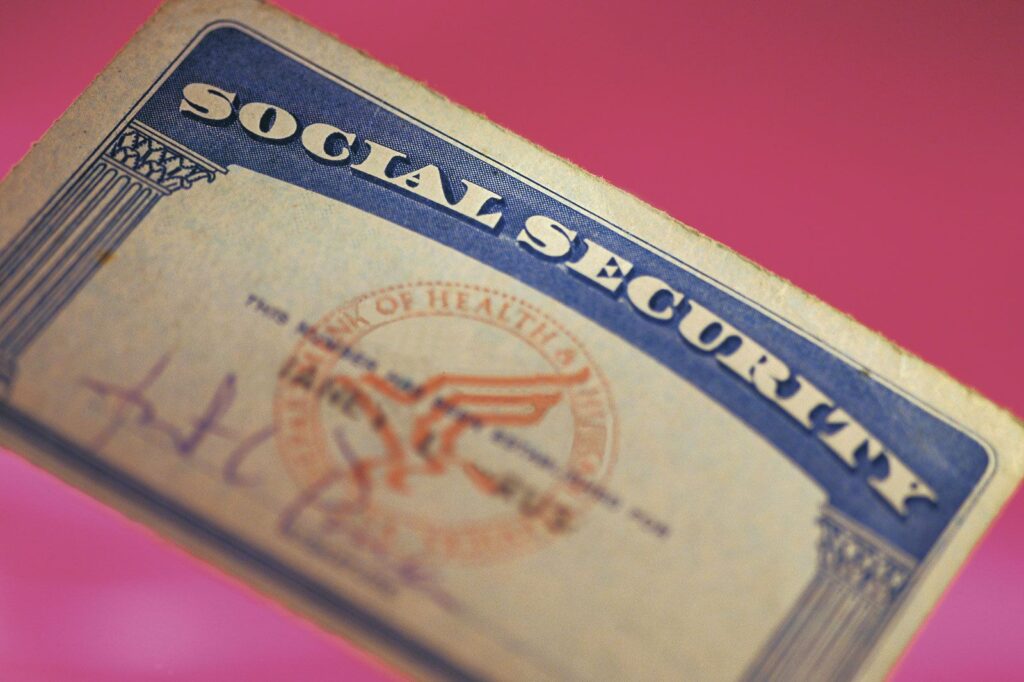
Your Social Security number is the ultimate anchor of your legal and economic existence. Without it, you cannot legally sell labor, access capital, or engage with the formal economy. When thousands of people simultaneously scramble for a “social security name change“, they are attempting to renegotiate their position within this massive administrative grid. A name change is never merely an aesthetic choice; it is an explicit plea to the state to re-verify, re-authorize, and re-legitimize an individual’s very presence in society.
Why a Name Change is a Battle with State Legibility
The collective anxiety driving the “social security name change” trend highlights the friction that occurs when lived human reality clashes with rigid institutional records. Anthropologist and sociologist James C. Scott introduced the vital concept of “State Legibility.” He noted that centralized governments despise complexity and fluidity; the state requires society to be perfectly organized, simplified, and trackable so it can efficiently police populations and manage resources.
When you alter your name—whether through marriage, divorce, or a personal transformation—you introduce a temporary “blind spot” into the state’s database. The rush to update these records is fueled by a well-founded structural fear: if your data across different institutional systems does not match perfectly, the state machinery instantly flags you as an anomaly. This administrative mismatch can instantly freeze your access to vital social safety nets, credit systems, and legal protections.
The Algorithmic Gaze: When Systems Misread Human Panic
The backend data reveals a fascinating secondary story: the automated classification systems governing our digital spaces are fundamentally misreading the human panic behind these searches, mapping it instead to abstract terms like “social stratification” and “social institutions“.
This is a flawless example of the Algorithmic Gaze. Automated sorting mechanisms operate completely detached from actual human empathy or cultural nuance. They process the keyword “social” and automatically bucket it into cold, pre-set academic categories. This highlights a profound irony of the modern attention economy: the digital systems tasked with organizing human knowledge are entirely blind to the actual social crises motivating the people typing behind the screen.
Conclusion: Tracing the Lines of Structural Power
The sudden spike in searches for a “social security name change” proves that our modern identities are permanently bound to the electronic registries of the state. The moment an individual tries to redefine who they are, they are forced to stand before an unfeeling bureaucratic engine to ask for permission.
This struggle to control how we are seen and categorized by large institutions is reshaping modern culture. When we look closely at how platforms and policies dictate who gets recognized and who gets filtered out, we see these exact same institutional patterns playing out globally.
Want to Read More on Structural Control?
The anxiety of being tracked, audited, and categorized by powerful institutions isn’t just limited to government paperwork; it actively dictates how elite networks control public narratives and social status. To understand how public systems selectively filter visibility to maintain social stratification, read our comprehensive analytical breakdown: Read Our Full In-Depth Post on the “Childfree by Choice” Trend and Modern Society Here